

Evanston, Illinois, is continuing its controversial reparations program, announcing that 44 Black residents and descendants of Black residents will receive $25,000 each, part of the city’s first-in-the-nation effort to address historical inequities. Established in 2019 and approved by the City Council in 2021, the program provides direct cash payments to individuals whose ancestors lived in Evanston between 1919 and 1969.
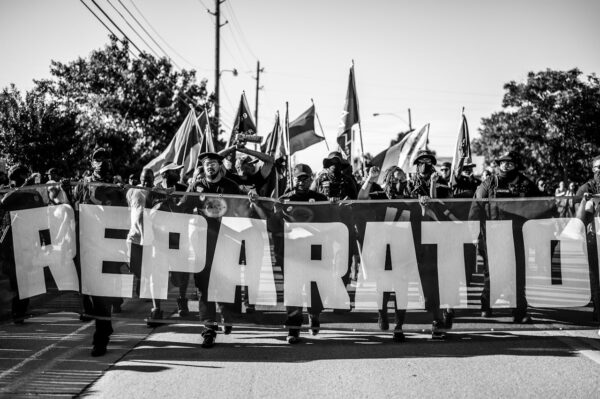
The initiative, funded through a combination of real estate transfer taxes and a 3% cannabis sales tax, has already distributed over $6.3 million to 254 recipients. Payments are intended to assist with housing costs and help residents build economic stability, according to city officials.
The city employs a lottery system to determine the order of payment distribution, ensuring a fair and transparent process for all eligible participants, Evanston Roundtable reported. Since the program’s launch, Evanston has averaged about 40 payments per year, with previous rounds totaling millions in reparations.
Despite the program’s progress, it has faced legal challenges. Conservative nonprofit Judicial Watch filed a lawsuit last year, claiming the program’s use of race as an eligibility requirement violates the Equal Protection Clause of the 14th Amendment, The New York Post reported. The city, however, continues to explore sustainable funding options, including potentially taxing emerging cannabis products like Delta-8 THC, to ensure future payments.
Evanston’s reparations program has sparked national attention, inspiring conversations about equity and historical accountability across the United States. Municipalities and states are increasingly forming committees to study reparations, with the goal of addressing the lingering effects of slavery and systemic racism.
“Financial reparations will close the wealth gap. The idea is to provide reparations recipients an amount sufficient to close the wealth gap. We estimate this will cost about $14 trillion, on the low side. The premise is the federal government would spend a sufficient amount to close the wealth gap,” economist William Darity, professor of public policy at Duke University, told Finurah’s Money Talk series in 2022. Darity has studied the concept of reparations for more than 30 years. He co-authored the book “From Here to Equality: Reparations for Black Americans in the Twenty-First Century” with folklorist A. Kirsten Mullen.
By the end of this year, with the latest payments, 171 direct descendants will have received $4 million in total, while nearly all of the 141 qualified ancestor applicants have received benefits totaling $3.47 million. The city has pledged $20 million for the fund over a decade, combining real estate and cannabis tax revenues, with the goal of continuing to provide support and opportunity for generations to come.