

The money conversation in college sports used to happen in whispers. Today, it happens in public — and often with eight-figure punchlines.
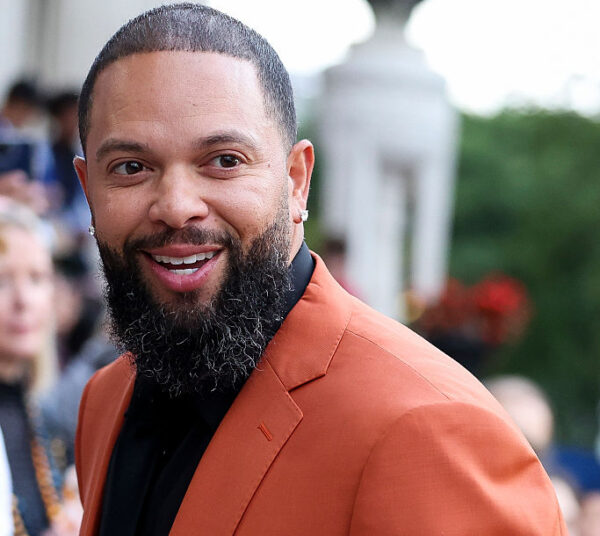
Two decades ago, elite prospects weighing whether to leave school early were balancing draft stock, development curves, and family realities without the safety net of endorsement income. Now, top athletes enter campus with valuation charts attached to their names, brand portfolios in motion, and the option to monetize before ever turning pro.
A Different Time
Few careers illustrate that shift more clearly than Deron Williams’.
During three seasons at the University of Illinois, Williams steadily evolved into one of the nation’s top point guards. He wasn’t a five-star headline recruit, but by the end of his junior year, his production and poise had positioned him as a likely lottery pick.
The Utah Jazz selected him third overall in the 2005 NBA Draft, launching a career that would include three All-Star selections, two Olympic gold medals, and a four-year rookie contract worth roughly $16 million, according to Basketball Network.
But Williams has been candid about why he never seriously considered staying for a senior season.
“When I see some of these numbers these kids are getting… and they’re getting six figures,” he said on the “Out of the Mud Podcast.” “I may have stayed for my senior year if I was getting that.”
The financial pressure was immediate and personal.
“Mom had a job, single mom… I had a baby my freshman year in college, I needed money,” he explained. By his own account, the decision crystallized early. “Man, I knew halfway through my freshman year I was gone… I had 148 dollars after we paid rent every month. I’m not coming back.”
The NCAA’s NIL policy took effect in July 2021. It allows college athletes to legally earn money from endorsements, sponsorships, social media, and personal branding without losing eligibility. Williams declared for the draft in 2005 — a 16-year gap that represents more than regulatory change. It marks a reallocation of leverage from institutions to athletes.
In Williams’ era, early departure was often a financial imperative.