

WNBA rookie Flau’jae Johnson has expanded her real estate holdings, purchasing an additional 15 acres of land that she says will be used for a commercial property.
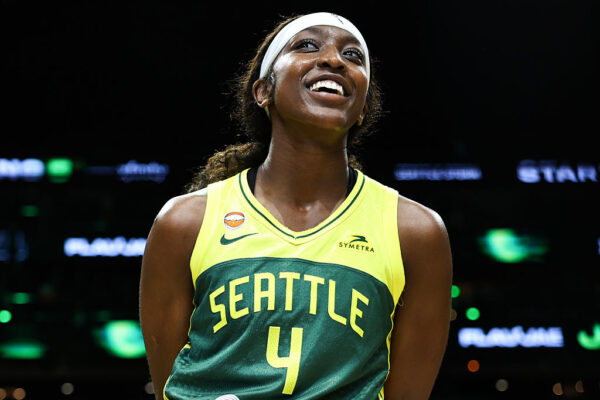
The 22-year-old Seattle Storm guard disclosed the purchase this month in an Instagram post, thanking God for the opportunity and congratulating real estate developer Tamika Houston, owner and broker of Houston Premier Realty.
A Woman With A Plan
The purchase adds to a real estate portfolio Johnson began building while she was a college basketball player at Louisiana State University. In 2025, she purchased 20 acres of land in Georgia, saying at the time that she wanted to build something beyond her career in basketball and music and create opportunities for her community.
Johnson’s path to investing in property began during the expansion of name, image and likeness opportunities in college sports. Before entering the WNBA, she had an estimated NIL valuation of $1.5 million, according to On3, and endorsement relationships with brands including Apple Cash, The Athlete’s Foot, JBL Audio, Experian, Doritos and Raising Cane’s.
NIL opportunities became broadly available to NCAA athletes in 2021, when the association adopted an interim policy allowing athletes to benefit from the use of their name, image and likeness. NCAA rules now permit athletes to receive compensation for commercial activities such as social media posts, appearances and endorsements, subject to applicable requirements.
The financial landscape for college athletes has continued to change. In 2025, a federal judge approved the House settlement, which provides for about $2.78 billion in back damages to college athletes and permits participating Division I schools to provide additional financial benefits to athletes.
Johnson has previously spoken about the importance of saving and budgeting to young athletes. In an earlier interview with Afrotech, she encouraged athletes to establish pathways to financial freedom rather than focusing solely on short-term spending.
Her approach to real estate is part of a broader trend among college athletes with substantial NIL income. The Wall Street Journal recently reported that athletes have used NIL earnings to purchase homes and other properties, including properties that can serve as housing, rental assets or longer-term investments.
Johnson’s latest purchase extends that strategy beyond residential property. The 15-acre parcel is intended for commercial development, according to her announcement, although details about the property’s planned use, development timeline and investment value were not disclosed in the report.