

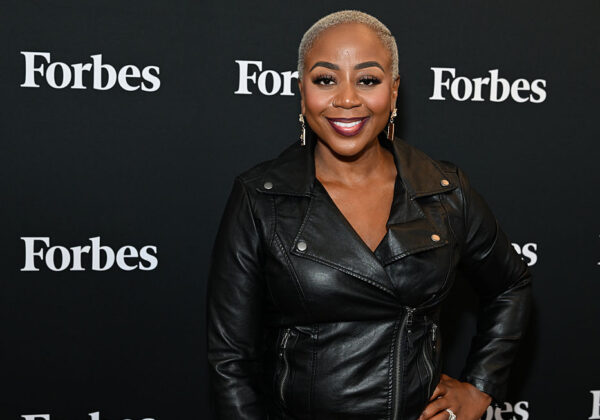
The seizure of an investment property has thrust entrepreneur Pinky Cole Hayes into a legal fight, underscoring how quickly fast business growth can spiral into financial trouble.
More Troubles
According to reports, court filings claim a creditor took control of one of her Atlanta-area homes and changed the locks while she was under Chapter 11 bankruptcy protection. Her legal team contends the action violated the automatic stay, which is meant to pause collection efforts during restructuring.
The property at the center of the dispute is a six-bedroom, four-bathroom home in Loganville, Georgia, which Cole says was intended to generate income.
The incident is not simply about a house. It reflects mounting pressure behind one of the most visible restaurant brands to emerge from Atlanta in recent years. Slutty Vegan’s rapid rise turned its founder into a national figure in entrepreneurship and a symbol of Black business success, making the company’s current challenges especially notable across the restaurant and startup communities.
Just a few years ago, Slutty Vegan represented one of the most celebrated growth stories in the food industry. The brand launched as a food truck in 2018 and quickly attracted national attention. Customers lined up for hours. Social media amplified the company’s bold branding and plant-based comfort food menu. Investors responded to the momentum.
By 2022, the company secured a $25 million funding round and reached a reported valuation near $100 million.
The funding helped fuel expansion into multiple markets, including locations in Georgia, Alabama, Texas, and New York. The brand’s growth strategy focused on rapid visibility and market presence, which required significant investment in real estate, staffing, and operational infrastructure.
That growth created opportunity, but it also created obligations. Opening new locations required leases, equipment purchases, hiring, and marketing campaigns. Each move increased revenue potential. Each move also increased fixed costs. In the restaurant business, those costs continue regardless of daily sales, and sustained growth depends heavily on steady cash flow.
Financial disclosures tied to the bankruptcy case show more than $1.4 million in outstanding obligations, including debts owed to the U.S. Small Business Administration and the Georgia Department of Revenue.
In addition to that, a lawsuit sought more than $87,000 in unpaid rent tied to Atlanta storefronts. Those liabilities emerged as the company worked to manage operating costs and stabilize finances after years of expansion.
At one stage, the company reportedly carried roughly $20 million in debt while managing weekly overhead costs near $100,000. The financial burden became more visible as the company reduced its footprint, scaling back from a larger national presence to a smaller group of core locations.
Downsizing allowed the business to focus on sustainability rather than continued rapid expansion.
The property dispute demonstrates how critical liquidity has become during the restructuring process. According to filings, the Loganville home was intended to produce rental income, with a tenant scheduled to move in on April 1. Losing access to that property removed a planned revenue stream at a sensitive moment in the company’s financial recovery.
Court records also show that Cole reported being unemployed while working through the restructuring process and relying largely on her husband’s earnings of about $15,000 per month.
The filing also listed significant assets, including real estate holdings valued in the millions and restaurant equipment tied to the business, underscoring how large the company had grown during its expansion phase.
That scale, however, came with mounting obligations. The bankruptcy filing followed several years of operational and legal challenges linked to rapid growth. In addition to rent disputes, the company faced wage-related claims and restructuring costs that placed additional strain on its finances as leaders worked to keep stores open and obligations current.
Cole later announced she had regained control of the Slutty Vegan brand under a new parent company after completing a restructuring process that allowed her to continue operating the business. She has since announced plans to shift toward franchising as part of the company’s recovery strategy.
Still, this Chapter 11 case remains ongoing, and the dispute over the Loganville property is now one of several financial matters still being addressed in court, and another headache for the businesswoman.


LOL .. GOOD