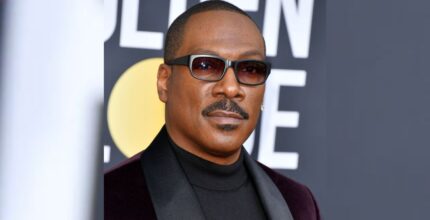

For most actors, a home recording studio is a luxury. For Eddie Murphy, it may have been one of the smartest business investments of his career.

Cost Rock a Paycheck
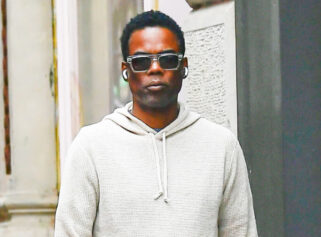
During a recent live taping of the “Fly on the Wall” podcast on May 14 with Dana Carvey and David Spade, Chris Rock revealed that he nearly became the voice of Donkey in the blockbuster “Shrek” franchise. According to Rock, DreamWorks grew frustrated waiting for Murphy to submit voice recordings for the wisecracking sidekick, opening the door for a potential replacement.
“Eddie has a [recording] studio in his house, so all he has to do is go downstairs to do Donkey,” Rock joked during the conversation, explaining how the delays repeatedly led DreamWorks executives to negotiate with him about taking over the role. Each time, however, Murphy would eventually record his lines at the last minute, effectively shutting down Rock’s opportunity before it could begin.
Rock laughed that Murphy’s final trips downstairs may have cost him a staggering $30 million payday.
While many actors in the early 2000s focused primarily on upfront salaries, Murphy seemed to veer to the long game of franchise economics. The original “Shrek” film, released in 2001, reportedly paid principal cast members modest upfront compensation while offering backend participation tied to the film’s success. That gamble became enormously profitable after the movie grossed nearly half a billion dollars worldwide and evolved into a multibillion-dollar franchise.
By the time “Shrek 2” entered production, Murphy’s negotiating power had skyrocketed.
Reports surrounding the deal estimated, according to Parade, that he secured roughly $10 million upfront for the sequel while spending only a handful of hours in the recording booth. Industry observers later estimated that Murphy’s total earnings tied to the franchise — including sequels, television specials, licensing, and royalties — climbed beyond $60 million.
By 1989, Men’s Journal noted that Forbes ranked Murphy among Hollywood’s highest earners after a string of box-office successes that included “Beverly Hills Cop,” “Coming to America,” and “Trading Places.” Even early in his career, Murphy displayed unusual confidence in betting on himself financially.
Murphy once recalled quitting his shoe salesman job at Chandler’s Shoes on Long Island while attending Nassau Community College and pursuing stand-up comedy full time. At just 17 years old, he was already performing in clubs and building a reputation as one of the funniest young comics in the region.
Soon after, he signed with manager King Broder and rapidly ascended through “Saturday Night Live” and blockbuster film roles. A later legal dispute with Broder over commissions reinforced the importance of understanding deal structures and protecting long-term earnings.
Over the decades, Murphy consistently adapted to shifts in entertainment economics. In the streaming era, he reportedly secured a major development deal with Netflix worth roughly $70 million, proving his ability to remain commercially valuable across multiple generations of media.
In 1985, Murphy shocked audiences by releasing the music single “Party All the Time,” produced by Rick James. The song climbed to No. 2 on the Billboard Hot 100 despite skepticism from industry veterans and even a famous $100,000 bet from mentor Richard Pryor, who doubted Murphy would complete a serious music project.
Today, Murphy’s estimated net worth sits around $200 million, built through decades of box-office dominance, franchise equity, licensing royalties, streaming partnerships, and carefully timed projects.
And somewhere inside his home studio sits the setup that helped preserve one of Hollywood’s most lucrative animated roles.
For Chris Rock, it became a funny “what if” story.