The beauty business has become increasingly crowded with famous faces. Rihanna has Fenty Beauty. Selena Gomez has Rare Beauty. Hailey Bieber has Rhode. Ciara has moved into skin care and fragrance. Ariana Grande has built a massive perfume franchise. For celebrities, millions of followers can provide a built-in audience before a new product even reaches store shelves.
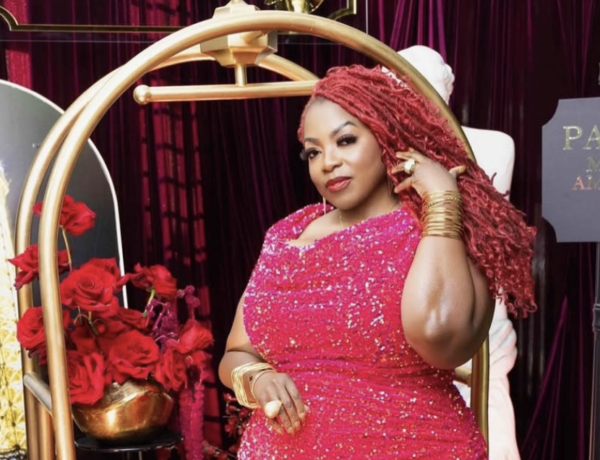
Maekaeda Gibbons had something very different: about $300.
In 2018, the former Bank of America loan officer began experimenting with fragrance oils in her kitchen because her taste in expensive perfume did not exactly match her salary. According to Business Insider, she spent roughly $54 on bottles and put the rest toward carrier oils and testing formulas.
What started as gifts for friends and co-workers became Brown Sugar Babe. The side hustle eventually grew into a full-fledged fragrance and body-care company.
Seven years later, Brown Sugar Babe generated $21 million in gross revenue in 2025, according to financial records and digital sales dashboards reviewed by Business Insider. Perhaps more striking is how Gibbons got there. The company remains self-funded, with no outside investors.
That makes Brown Sugar Babe an interesting counterpoint to the celebrity beauty boom.
Grande, for example, entered the fragrance business in 2015 with Ari by Ariana Grande through a partnership with LUXE Brands. By 2024, LUXE said Grande’s fragrance franchise had surpassed $1 billion in cumulative global retail sales.
The figures are not directly comparable. Brown Sugar Babe’s $21 million represents gross revenue for one year. Grande’s $1 billion represents retail sales over nearly a decade. Still, the difference in how the businesses started is striking. Grande brought global fame and an enormous fan base into fragrance. Gibbons had to build the audience and the company at the same time.
Her journey has more in common with The Lip Bar founder Melissa Butler.
Butler also came from finance and started making beauty products in her kitchen. She launched The Lip Bar in 2012 for customers underserved by traditional beauty brands. After famously leaving “Shark Tank” without a deal, Butler kept growing the company and landed in major retailers. Unlike Gibbons, she later turned to outside investment, including a $6.7 million funding round in 2022.
Gibbons has largely financed Brown Sugar Babe with Brown Sugar Babe.
“If it meant I had to max out a credit card to accomplish getting the ingredients, raw materials, and vessels that were needed to do that, that’s what I did,” she said.
Eventually, those bets became much bigger. When Brown Sugar Babe needed about two years of inventory and ingredients, Gibbons said she made several purchases totaling roughly $5.5 million over about three months. She considered financing. Instead, she paid for the inventory over time herself.
The product strategy is equally deliberate.
Brown Sugar Babe specializes in fragrance oils rather than the alcohol-based eau de parfums that dominate department-store fragrance counters.
“There’s a small hard no for several reasons on going into EDP, atomized perfumers or alcohol based perfumes,” she said. “It’s been done and overdone and continues to be done very well by other brands.”
Some scents draw on notes associated with established luxury fragrances. Gibbons pushes back against calling the company a “dupe” business. Her approach, she says, is less about copying a bottle and more about taking inspiration from scents she loves and making them louder.
Customers appear to be responding. Gibbons surveys her social media community about what it wants next. Demand has occasionally exceeded even her expectations. Entire launches have sold out, and website crashes have become a familiar problem.
She has also taken the online relationship offline.
In 2025, Gibbons invested approximately $1.2 million into Brown Sugar Babe’s Atlanta flagship, including construction, branding, and the grand-opening event. The store gives customers another way to experience a brand built largely through digital word of mouth.
There is no celebrity name above Brown Sugar Babe’s door. There was no multimillion-person fan base waiting for the first drop and no outside investor underwriting its expansion.
Gibbons started with $300, found her lane and kept betting on it.
Now, that bet is a $21 million-a-year business.