
The University of Colorado’s athletic department is facing an unprecedented financial shortfall, and much of the strain traces directly to the soaring costs of modern college football — including the escalating price tag of the Deion Sanders era.
According to reporting from USA Today’s Brent Schrotenboer, Colorado’s athletics department is projecting a $27 million deficit for the fiscal year ending June 2026. The shortfall is so large that the department may require more than $41 million in subsidies from institutional support and student fees to balance the books. “Those numbers are not final. The athletic department is hoping to bring that deficit down by the end of June with revenue from donations, sponsorships and concerts at Folsom Field,” Schrotenboer noted, adding that CU has “never reported a deficit that big before.”
The increase in expenses is driven primarily by two reasons: the soaring cost of football and the new financial reality of college athletics under NIL and House settlement requirements. Colorado is now committed to up to $20.5 million annually in benefits and direct payments to players, the largest new line item in its budget.
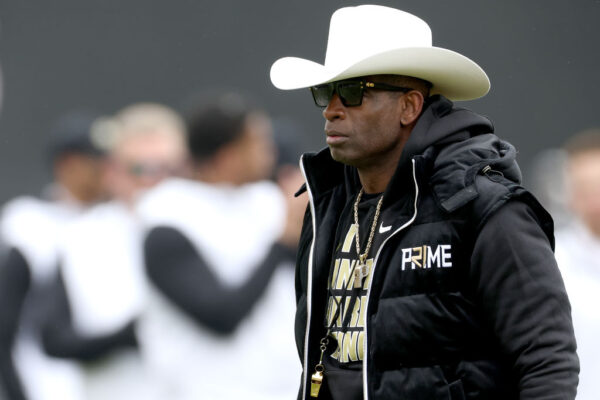
Then there is the salary for Coach Prime. In March 2024, the university approved a major contract extension for Sanders that pushes his compensation past $10 million per year. It’s the latest evolution in a package that, when he first arrived, totaled $29.5 million in potential earnings, including bonuses and perks.
That bet once looked like a financial master move. When Sanders first took over in 2023, he generated millions in revenue, boosted ticket sales, merchandise, national attention, and donor contributions. It was dubbed the Prime Effect.
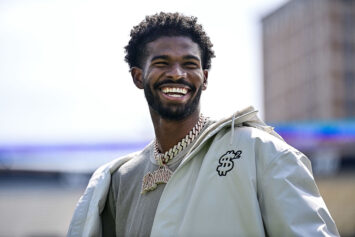
But 2025 brought upheaval. The Buffs slid to 3–9, a sharp fall from their nine-win 2024 season. This was marked by key departures, including two-way star Travis Hunter and quarterback Shedeur Sanders.
Yet firing Sanders most likely is not an option. His buyout sits at $33.6 million, a figure that would only deepen the deficit.
For now, Colorado is insisting it won’t cut sports and won’t tap tuition or state funds. But as expenses outpace revenue and football continues to drive a $60.4 million annual bill, the university needs another Prime Effect wave.