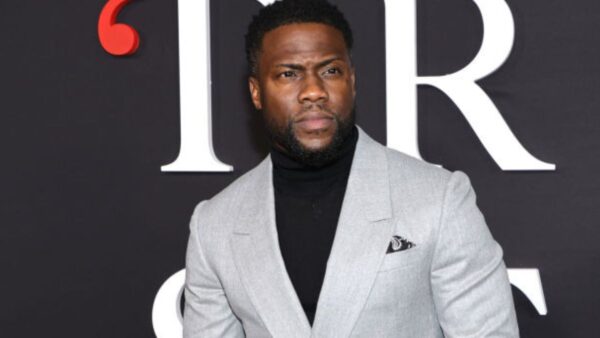
Kevin Hart built one of Hollywood’s most ambitious celebrity businesses by betting his star power could become something much bigger than Kevin Hart.
Now, the comedian’s once-$650 million media company faces a far less glamorous question: What is Hartbeat worth without Hart at the center of everything?
Company Woes
That question has grown more urgent as the company endures executive departures, repeated layoffs, stalled projects, declining business and a legal fight with two Black podcast producers. At the same time, Hart has struck a separate deal involving perhaps his most valuable asset — himself.
In 2022, Hart consolidated his entertainment businesses and sold a 15 percent stake to private equity firm Abry Partners in a deal valuing the company at roughly $650 million, according to Bloomberg.
Its strategy spanned film and television, digital video, advertising and audio, with relationships including Netflix, SiriusXM and Audible, and advertisers like Lyft, Procter & Gamble and DraftKings.
The bigger goal was smart on paper: Hart would open doors, but Hartbeat would build valuable intellectual property and businesses that didn’t require him to star in every project.
Instead, the company appears to have struggled to separate the celebrity from the enterprise.
As Hollywood spending contracted, Hartbeat began shrinking. Its New York office closed, senior executives departed, and roughly 20 employees — nearly a quarter of its workforce — were laid off before Thanksgiving 2024. Hart became CEO in January 2025, but reportedly went weeks without visiting the office, leaving daily operations to others.
Then came more cuts.
In December, Hartbeat reportedly eliminated about a dozen positions and later fired television executives Tiffany Brown and Mike Stein — despite projects in development including a “Barbershop” series for Amazon and another season of the animated “Lil Kev.”
Film and TV development slowed, staff meetings disappeared, and new podcast projects stalled.
One of the most troubling episodes involves Eric Eddings and Lesley Gwam, two Black podcast producers hired to help Hartbeat build an audio business that didn’t depend on Hart.
The pair developed a slate of projects, but reportedly none got approval to move forward. After they began building their own company and seeking financing, Hartbeat fired them and sued, alleging trade-secret theft and breach of contract. Eddings and Gwam denied using Hartbeat’s confidential information and maintained both had industry experience before joining the company.
Hartbeat initially secured a temporary restraining order, but its bid for a preliminary injunction was rejected after the court found the company hadn’t shown Eddings and Gwam used proprietary information or trade secrets. The court called Hartbeat’s request “vague, ambiguous, and overly broad.” The lawsuit remains ongoing.
The company was dealt another setback in August 2026 when a Los Angeles judge denied Hartbeat’s effort to move the dispute into private arbitration.
According to court documents cited by TMZ, the former employees made a “persuasive showing” that the arbitration provisions were unconscionable and unenforceable — meaning the dispute stays in public court.
Meanwhile, Hart has made a significant move outside Hartbeat.
In January, he entered a partnership with Authentic Brands Group, the company managing brands tied to Muhammad Ali, Shaquille O’Neal and David Beckham. Hart received an undisclosed payment and equity in Authentic while licensing his name, image and likeness to the company. The arrangement also gave him money to buy out Abry over time, while endorsement deals that once anchored Hartbeat’s business moved to Authentic.