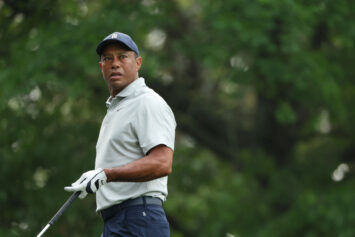

The reality facing golf legend Tiger Woods in 2026 comes after his recent arrest tied to a suspected DUI incident and subsequent move into rehab, raising fresh questions about how the latest legal trouble could impact the billionaire athlete’s fortune and long-term earning power.
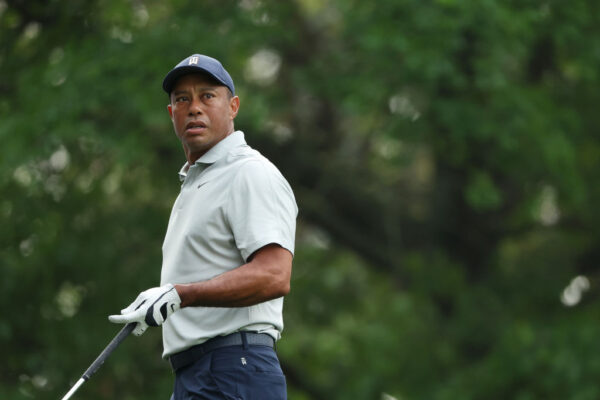
Woods remains one of the most valuable individual brands in sports. His estimated net worth sits around $1.5 billion, placing him among the rare athletes whose wealth is driven less by competition and more by intellectual property, licensing, and equity stakes.
Even after years of injuries and reduced playing time, the Tiger brand continues to generate revenue through licensing, course design, real estate, and ownership interests tied to the modern golf economy. That financial durability is why investors and sponsors still treat him as an enterprise rather than simply a retired athlete.
The latest disruption came on March 27, when Woods was arrested following a two-vehicle crash near his home in Jupiter Island, Florida.
According to police reports, he showed signs of impairment despite registering a 0.0 percent blood-alcohol reading. Officers reported that his eyes were bloodshot and glassy, his pupils were dilated, and he appeared lethargic. He refused to submit to a urine test, triggering an additional charge under Florida law.
Authorities later noted that two hydrocodone pills were found in his pocket during the arrest, reinforcing concern that medication, not alcohol, may be at the center of his recurring driving incidents.
Images of Tiger Woods detained in a cop car following recent DUI rollover crash pic.twitter.com/3Y39xOYlNx
— The Post Millennial (@TPostMillennial) April 2, 2026
Woods was released on bond after spending roughly eight hours in jail, and through his legal team, he pleaded not guilty. He was able to post the $1,150 bail and was taken away in a private car, according to Golf Monthly. In the immediate aftermath, he announced that he would step away from public appearances to focus on treatment and recovery.
Each crisis in his career has been followed by a reset period. From a financial standpoint, those pauses are not retreats. They are damage-control strategies designed to protect long-term brand value.
Driving incidents have repeatedly surfaced as the most persistent risk factor in Woods’ life.
In 2008, he was involved in a domestic violence incident and a car crash.
In 2017, he pleaded guilty to reckless driving after being found asleep behind the wheel with prescription drugs in his system.
In 2021, he survived a devastating rollover crash in California that required emergency surgery to repair multiple fractures in his leg, foot, and ankle.
That accident left him with permanent physical limitations and forced a shift in how he approaches competition. Investors remember those moments because they translate directly into lost revenue and brand volatility.
Yet the financial engine behind Woods remains resilient. While he is not retiring, he issued a statement on March 31, after the accident, announcing that he is stepping away from public life and the PGA Tour for a “period of time” to prioritize his health and seek inpatient treatment for recovery.
His career prize money represents only a small portion of his total earnings.
The majority of his wealth comes from business ventures developed under his corporate umbrella, including golf course design projects, hospitality investments, and equity stakes in emerging golf entertainment platforms with Serena Williams.
He has also invested heavily in real estate and lifestyle brands, turning his name into a diversified portfolio rather than a single income stream. That diversification is the reason his net worth has continued to hold steady even as his playing schedule has slowed.
Another layer of public scrutiny has emerged through his relationship with Vanessa Trump, the former wife of Donald Trump Jr. Their connection has placed Woods closer to the political spotlight than at any point in his career. In fact, he said during his arrest, he was talking to the president.