

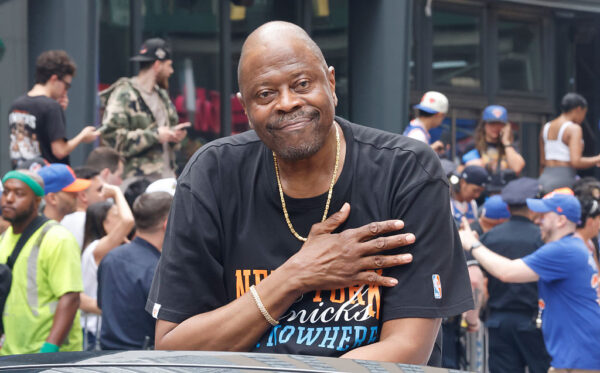
Patrick Ewing made millions dominating the paint for the New York Knicks. But one of his smartest financial moves happened away from Madison Square Garden, when he decided his name was worth more than another endorsement check.
Took A Gamble on Himself
Nearly four decades later, that decision is reportedly still generating seven figures annually.
The Hall of Fame center took a risk that few basketball stars were willing to consider at the time. Instead of simply promoting another company’s sneakers, he wanted a piece of the business.
His former agent, David Falk, who also negotiated Michael Jordan’s groundbreaking Nike agreement, revealed just how valuable that gamble became.
“Patrick’s shoes are still selling. He makes a million dollars a year to this day,” Falk said during a 2023 appearance on “The 20&20 Podcast.”
Other historical accounts, like The Boardroom, have placed its value at around $750,000 in 2022.
Either way, the figure reflects an unusual achievement in professional sports: building a business that continues producing income long after an athlete retires.
Ewing’s journey began in 1985 when the Knicks selected him first overall out of Georgetown University. Adidas quickly secured the 7-footer with a lucrative endorsement agreement.
But the Jamaica native eventually wanted something more substantial.
In 1989, he separated from Adidas and established Ewing Athletics. Unlike traditional signature sneaker arrangements, Ewing held a significant ownership stake in the company.
The gamble paid off almost immediately.
His signature 33 HI sneaker, named after his Knicks jersey number, became a fixture in basketball and New York streetwear. Its popularity expanded beyond sports into hip-hop culture.
The company introduced additional designs, including the Eclipse, and expanded its merchandise offerings.
Falk estimated that Ewing Athletics generated approximately $100 million in sales around 1990. That figure, discussed in a Complex interview, represented company revenue rather than Ewing’s personal earnings.
However, success created complications.
Rapid expansion, distribution disagreements, and competition from Nike and Reebok strained the operation. The original sneaker business ceased production in 1996.
Ewing’s entrepreneurial story could have ended there.
Instead, Ewing Athletics returned in 2012, capitalizing on nostalgia and renewed demand for retro basketball footwear.
The revived company has embraced hip-hop collaborations involving artists including Big Pun, Rakim and Ol’ Dirty Bastard. Its catalog continues connecting Ewing’s basketball legacy with the culture that helped popularize his shoes.
Other NBA stars have discovered that the sneaker business can produce enormous rewards, but ownership does not guarantee success.
Carmelo Anthony built a lucrative relationship with Jordan Brand after entering the NBA in 2003. His original Nike agreement reportedly paid $3.5 million annually over six years. His signature Jordan Brand collection eventually reached 13 models, demonstrating the earning potential of a long-running endorsement partnership.
Stephen Curry followed another path. He launched Curry Brand through Under Armour in 2020, eventually gaining greater control over the business. When the companies ended their partnership, Curry retained ownership of his brand. His Curry 13 sneakers subsequently received substantial markdowns, illustrating the challenges of sustaining a signature footwear business.
Stephon Marbury experienced an even tougher lesson.
His Starbury company launched in 2006 with basketball sneakers priced at just $14.98. The affordable alternative attracted attention, but financial problems followed. A company connected to the brand later faced a lawsuit involving approximately $16 million in allegedly defaulted financing, according to accounts of Marbury’s business setbacks.
Ewing’s experience offers a different outcome.
Although his company stumbled, he retained an ownership interest and participated in its revival.
That distinction remains central to his financial legacy. Endorsement agreements can expire, but ownership creates the possibility of income beyond an athlete’s playing years.


